A monument to soldiers, kings, and emperors
Explore the layers of history hidden within the walls of the Hôtel National des Invalides.
Table of Contents
Louis XIV's Grand Vision
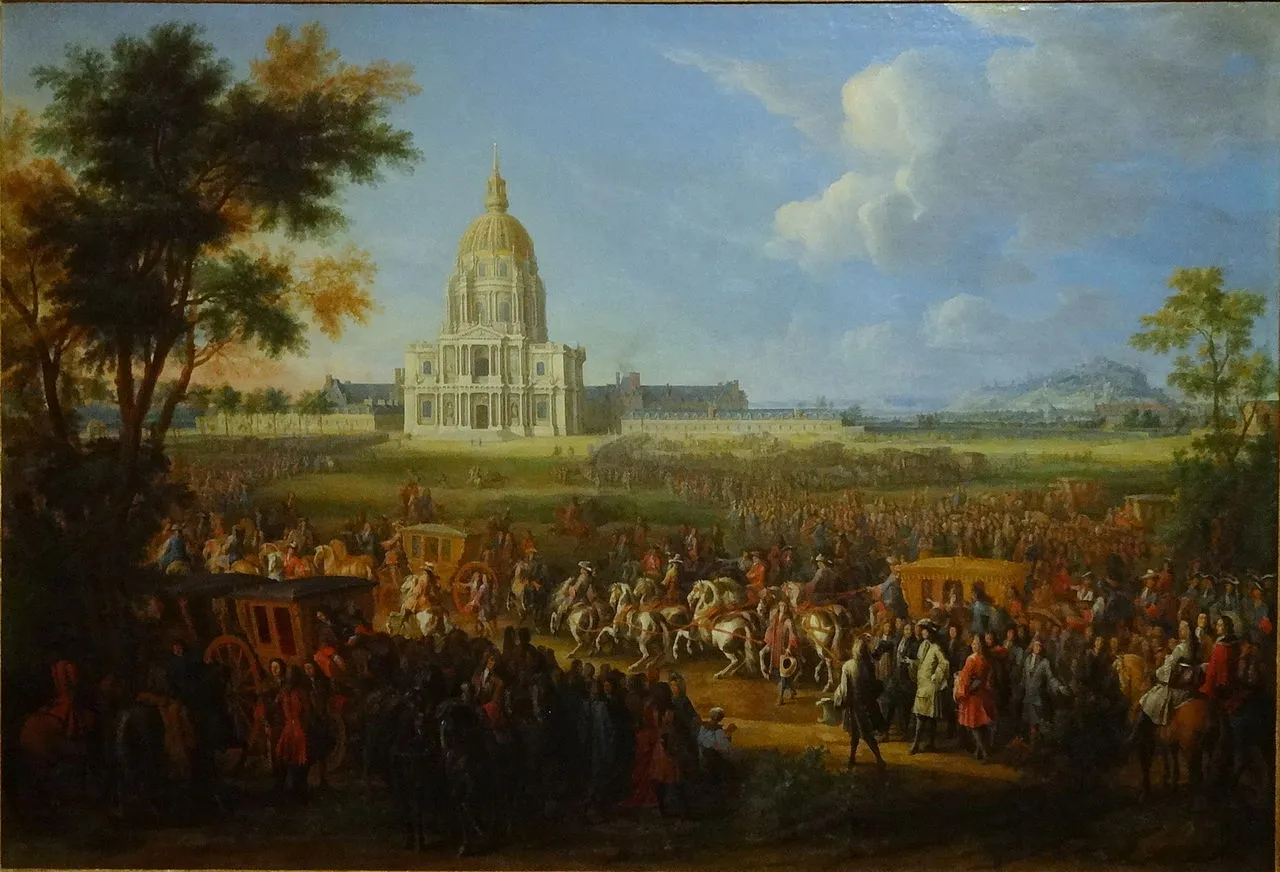
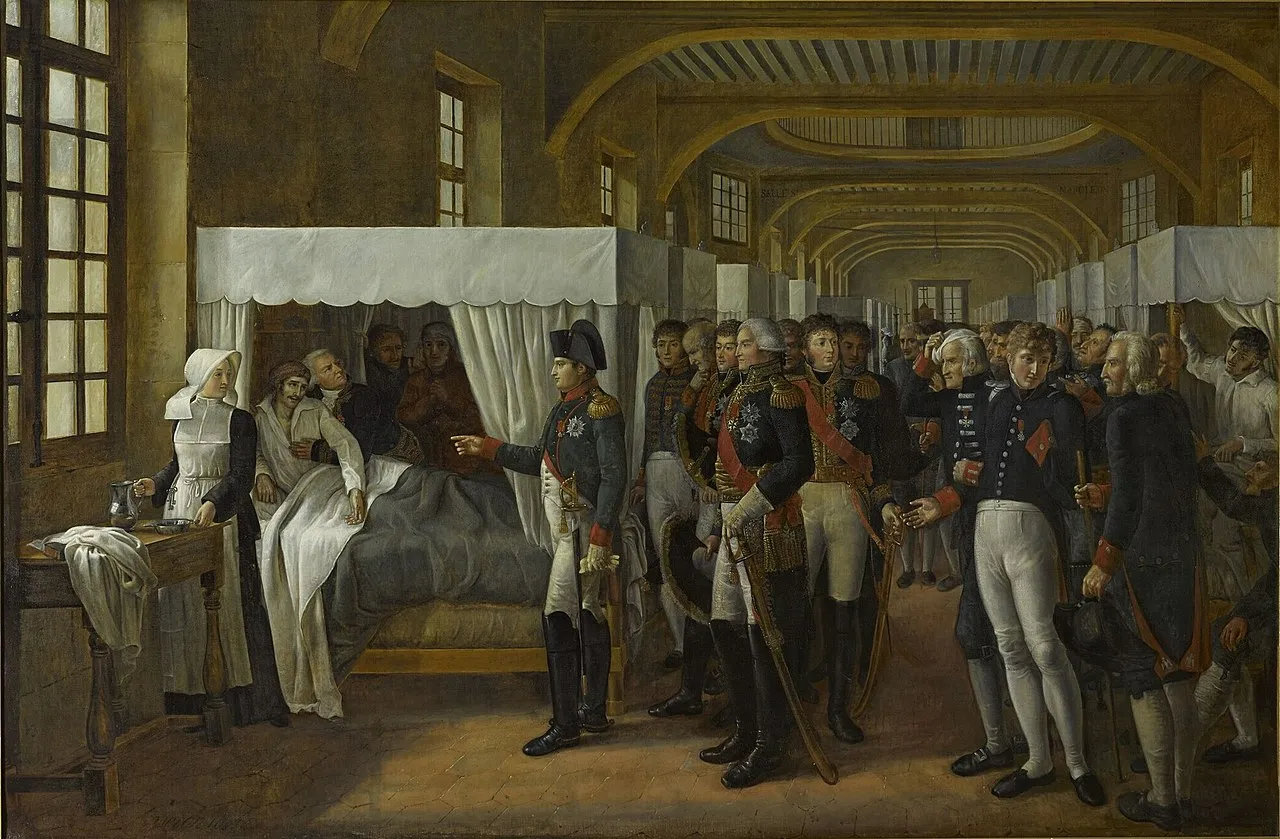
In 1670, King Louis XIV, known as the Sun King, made a decision that would alter the Parisian landscape forever. Moved by the plight of his soldiers who returned from wars injured, aged, or destitute, he ordered the construction of a royal institution to house and care for them. Before this, veterans were often forced to beg on the streets or rely on the charity of monasteries.
The project was entrusted to the architect Libéral Bruant. He designed a functional yet majestic complex organized around a rigorous grid of courtyards, capable of housing up to 4,000 veterans. It was a model of care for its time, providing food, shelter, and a dignified life for those who had bled for France. The inscription on the façade still reads clearly essentially stating that the sheer grandeur of the building is a payment of the debt the monarch owes to his troops.
Architecture of the Dome & Church
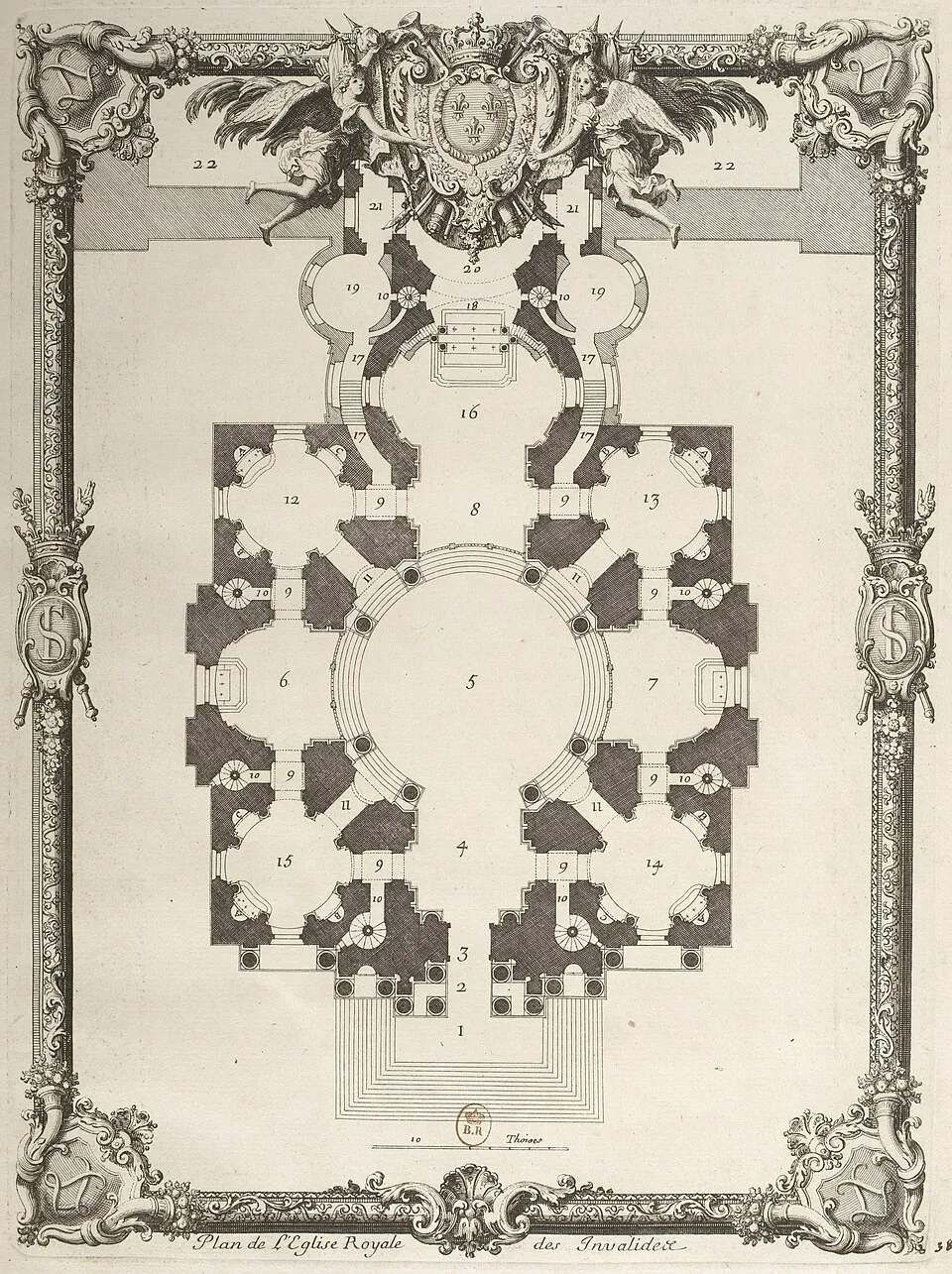
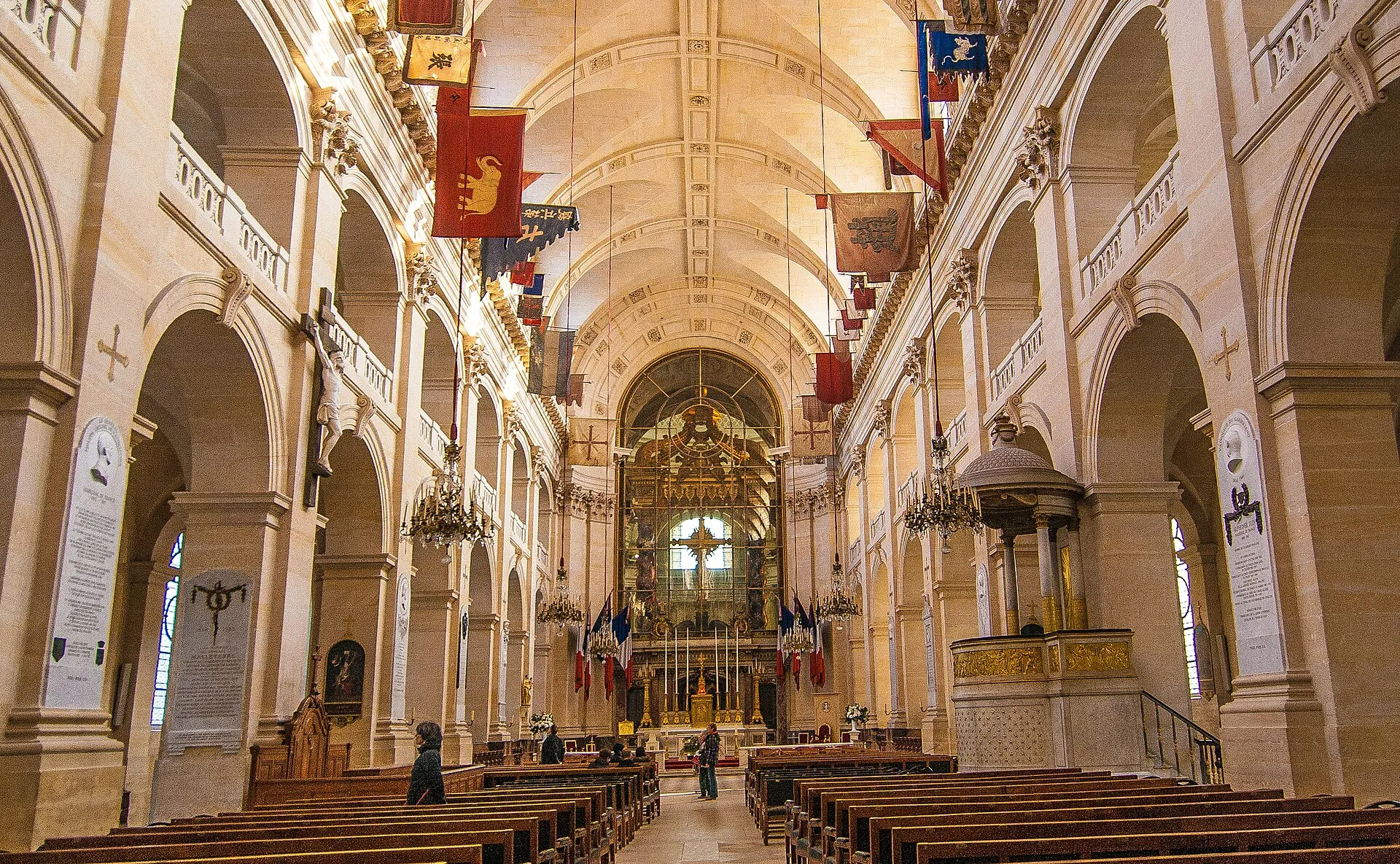
While the soldiers' quarters were stark and disciplined, the religious aspect of the site was given lavish attention. Jules Hardouin-Mansart took over the project to complete the chapel. The result was a dual structure: the Soldier's Church (Saint-Louis des Invalides) for the veterans, and the magnificent Royal Chapel (The Dome) for the King and royal family.
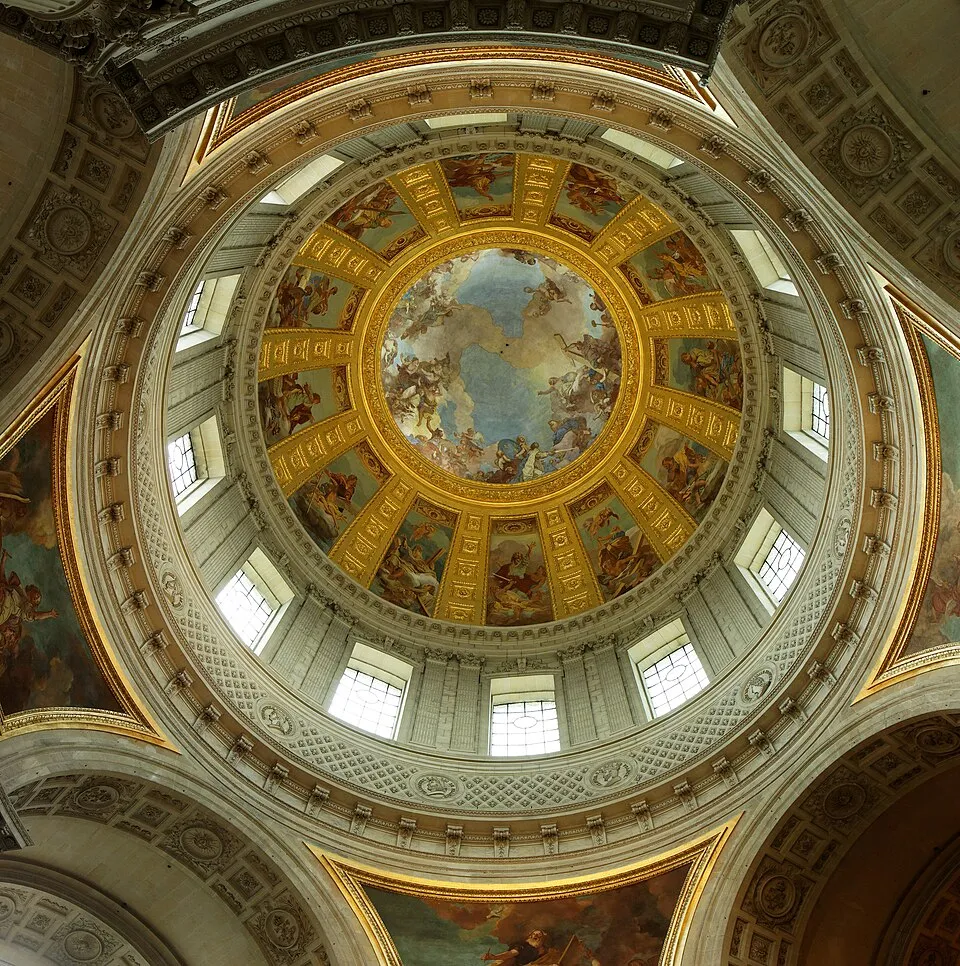
The Dome is a masterpiece of French Baroque architecture. Its exterior, covered in gold leaf (re-gilded roughly every 40 years), acts as a beacon across Paris. Inside, the soaring verticality and the intricate frescoes drawing the eye upward were designed to glorify the monarchy and the divine right of kings. It remains one of the tallest religious monuments in Paris, rivaling the Pantheon and Notre-Dame in visual impact.
The Revolution & The People
When the French Revolution erupted in 1789, the Invalides played a crucial, kinetic role. Before storming the Bastille on July 14th, the revolutionary mob first marched on the Invalides. They weren't looking for prisoners; they were looking for weapons. They looted thousands of muskets and cannons from the Invalides' cellars—arms that would be used hours later to siege the Bastille.
During the revolutionary years, the institution survived, though its royal symbols were defaced. The Dome, initially dedicated to Saint Louis and the monarchy, was repurposed as a Temple of Mars. The veterans remained, but the site began its slow transition from a purely functional hospital to a symbolic repository of national military glory.
The Return of Napoleon's Ashes
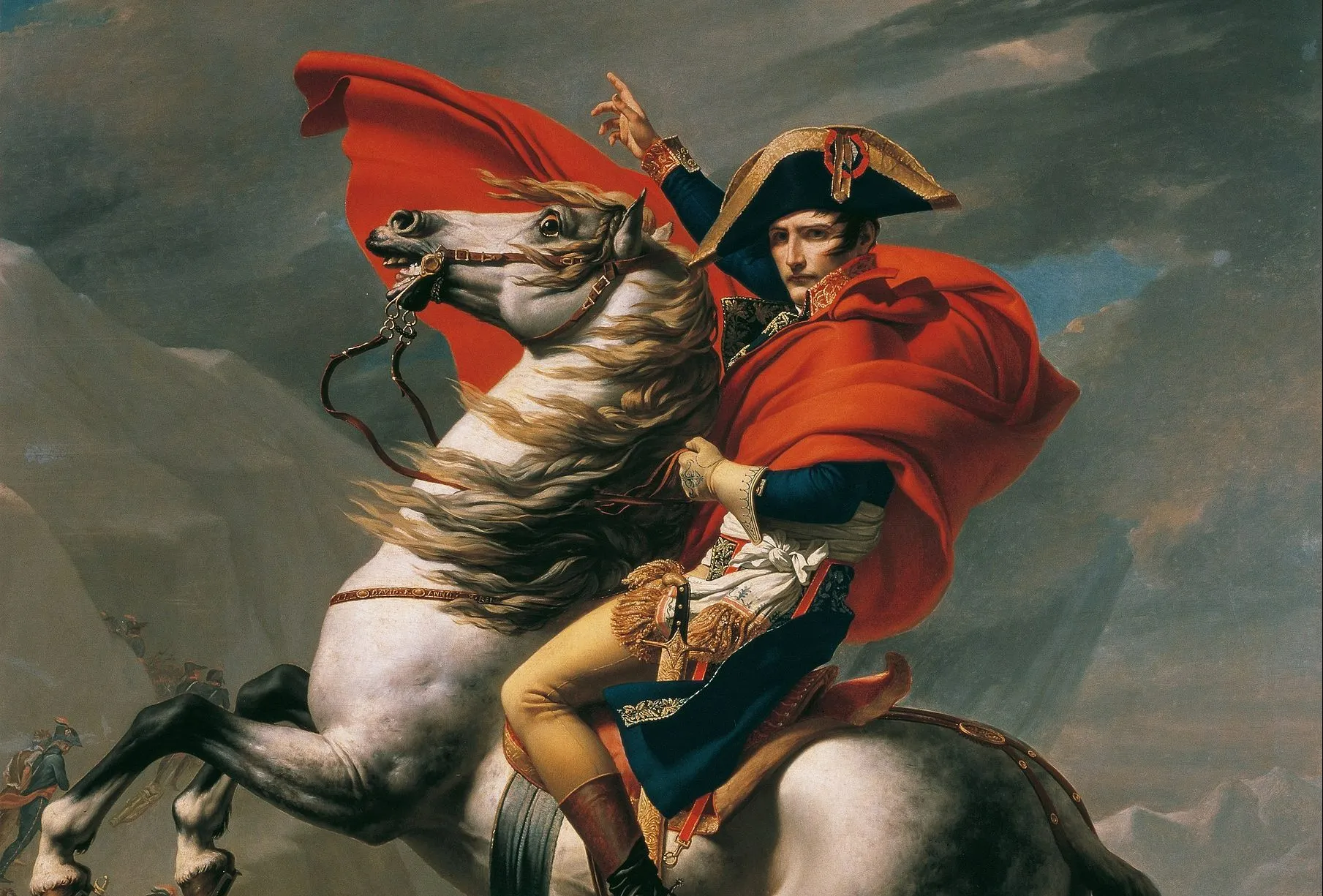
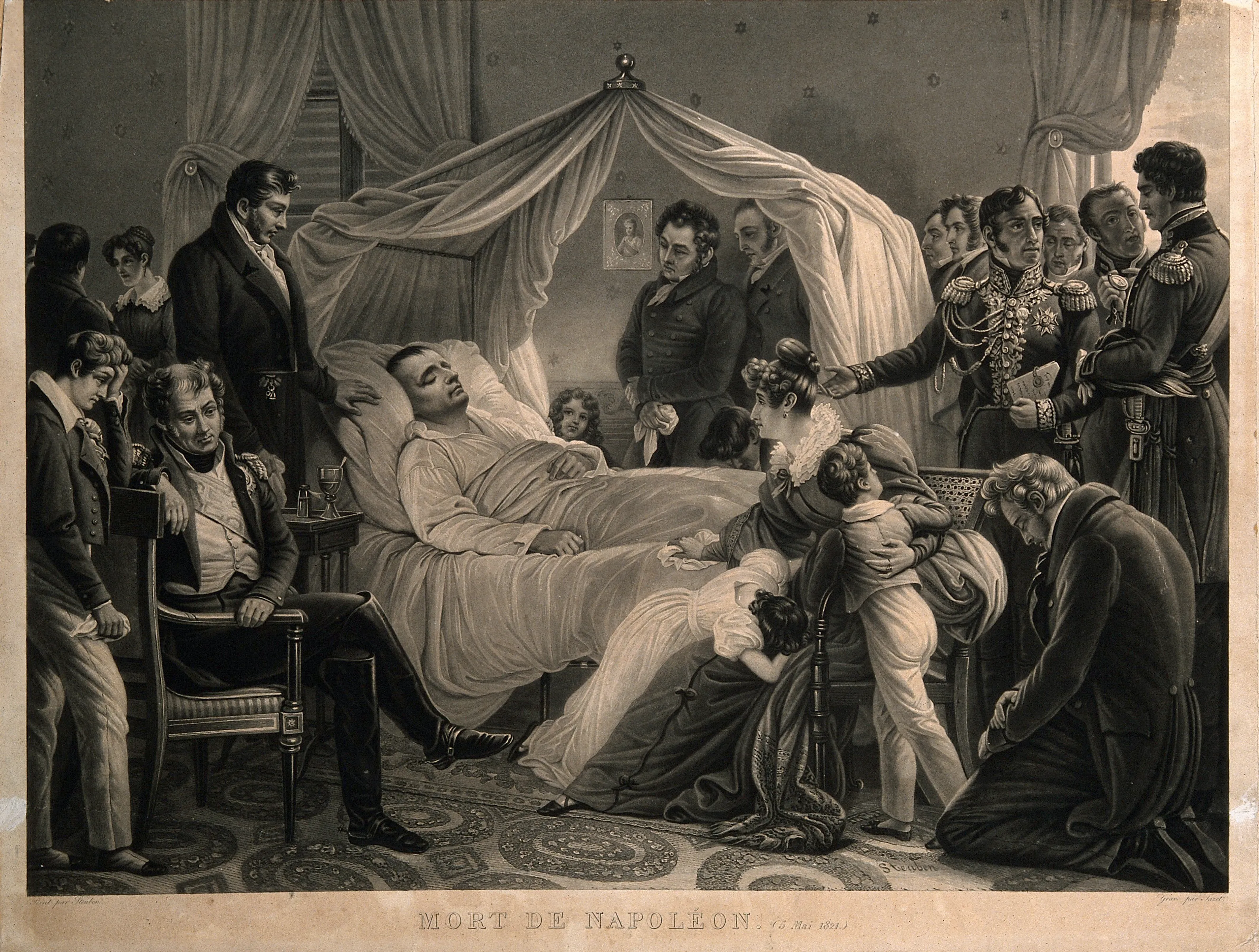
The defining moment for the modern identity of Les Invalides occurred in 1840. King Louis-Philippe, seeking to reconcile with the memory of the Empire, organized the 'Retour des Cendres' (Return of the Ashes). Napoleon's body was repatriated from Saint Helena to Paris amidst immense fanfare and crowds.
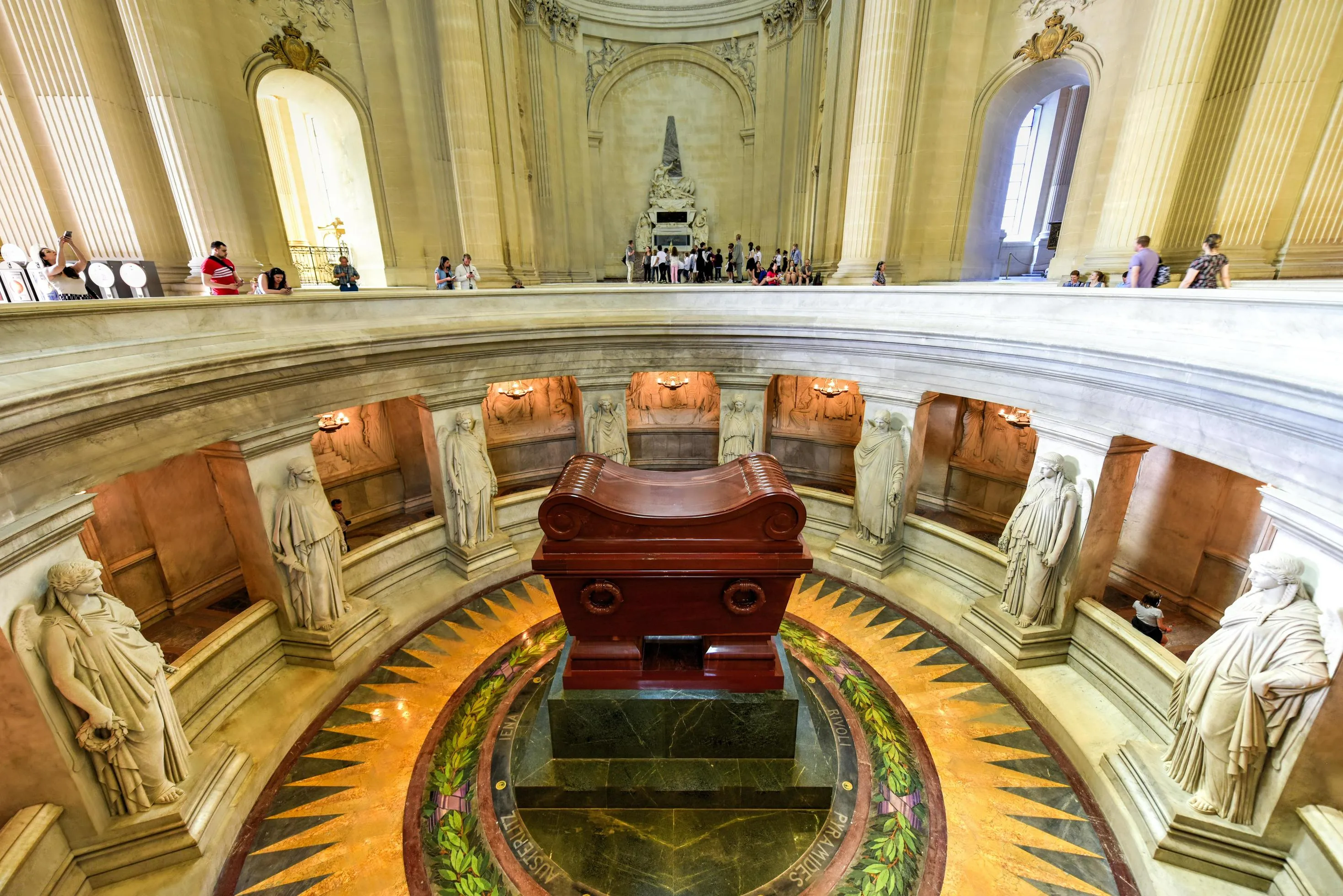
It took twenty years to complete the tomb we see today. Excavated into the floor of the Dome, the open circular crypt allows visitors to look down at the sarcophagus from the ground floor or look up at the dome from the crypt level. The massive bowing figures of the 'Victories' surrounding the tomb stand guard over the Emperor, ensuring his memory is enshrined in the very heart of French military tradition. It is not just a grave; it is a statement of power.
Creating the Army Museum
The Musée de l'Armée as we know it was formed in 1905 by merging two existing collections: the Artillery Museum (which had been moving its collection of cannons and mechanical models to the Invalides since the Revolution) and the Historical Army Museum. This merger created one of the most comprehensive military history institutions in the world.
By bringing together technical artifacts—like experimental rifles and engineering models—with the emotional artifacts of uniforms, flags, and personal commendations, the museum bridges the gap between the machinery of war and the human experience of the soldier. It serves as a guardian of heritage, ensuring that the evolution of combat is documented and understood.
Treasures of the Arsenal
The Department of Ancient Arms and Armor is often the favorite of visitors. It houses the 3rd largest collection of its kind globally. Here, you step back into a world of chivalry and tournament lists. The sheer variety is staggering: from the heavy, practical plate armor of foot soldiers to the gilded, etched ceremonial suits worn by kings like Francis I.
This section also highlights the curiosity of the French court for foreign ways of war. You will find exquisite Ottoman helmets, Persian shields, and Japanese samurai armors gifted to French kings. These objects were not just tools of defense; they were diplomatic gifts and symbols of status, showcasing the finest metalworking craftsmanship of their eras.
The World Wars & Modern History
The two World Wars defined the 20th century, and the museum devotes extensive wings to these conflicts. The narrative moves away from the glory of armor to the industrial slaughter of the trenches and the ideological battles of WWII. Visitors walk through the evolution of the French uniform, from the bright red trousers of 1914 that proved fatal, to the 'Horizon Blue' meant to blend with the sky.
The exhibits are deeply poignant. You see the taxis of the Marne that ferried troops to the front, the equipment of the Resistance fighters, and evidence of the Holocaust and deportation. It is a sombre educational journey that explains how modern France was forged in the fires of these global catastrophes.
The Court of Honor & Artillery
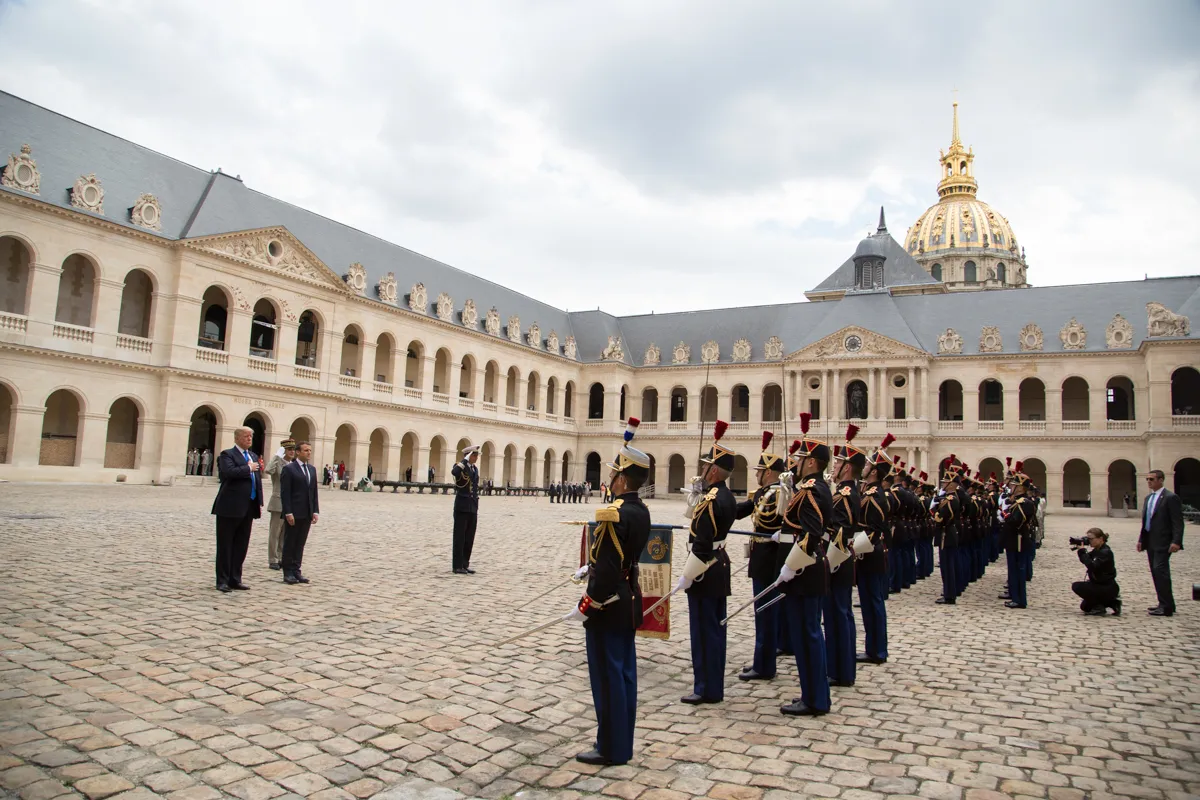
The Cour d'Honneur is the architectural heart of the Invalides. Restored to its 17th-century perfection, it is lined with a classic collection of bronze cannons. These are not mere replicas; they are the 'classic battery,' featuring cannons with names and personalities, adorned with ornate handles and the crests of the kings who commissioned them.
Pay attention to the little details on the barrels—some carry the motto 'Ultima Ratio Regum' (The Last Argument of Kings). This courtyard is still used for supreme state occasions, such as honoring fallen soldiers or welcoming foreign heads of state, linking the museum visitors of today with the living protocol of the French Republic.
The Charles de Gaulle Historial
A newer addition to the complex is the Historial Charles de Gaulle. Unlike the object-heavy traditional galleries, this is an audiovisual space dedicated to the life and impact of the leader of Free France. It uses multimedia installations to trace his career from a rebel general in London to the President of the Fifth Republic.
The Historial provides necessary political context to the military history seen elsewhere. It explains the fracture of France during the Occupation, the delicate politics of the Resistance, and the reconstruction of national identity post-war. It is a cerebral, immersive experience that requires listening and watching rather than just viewing glass cases.
A Living Military Site
It is easy to forget that Les Invalides is not a fossil. It remains under the administration of the Ministry of Armed Forces. The Military Governor of Paris has his offices here. More importantly, the original mission of Louis XIV continues: the Institution Nationale des Invalides still operates a hospital and retirement home for wounded veterans on the site.
This cohabitation between a bustling tourist site and a place of healing and administration gives the Invalides a unique gravity. When you see uniformed personnel walking the corridors, you are reminded that the story of the French army is ongoing. The museum is the public face of a living institution dedicated to service.
The Order of the Liberation
Tucked within the complex is a separate, often overlooked gem: the Museum of the Order of the Liberation. This order was created by De Gaulle to honor those who did the most to liberate France from Nazi tyranny. The 'Companions of the Liberation' were a diverse group: soldiers, spies, African colonial troops, and even cities.
The collection here is intensely personal. It focuses on the individuals who took extraordinary risks. You see clandestine radio sets, forged documents used by spies, and the simple personal effects of heroes who often did not survive the war. It is a moving tribute to individual courage amidst collective despair.
Restoration & Golden Dome
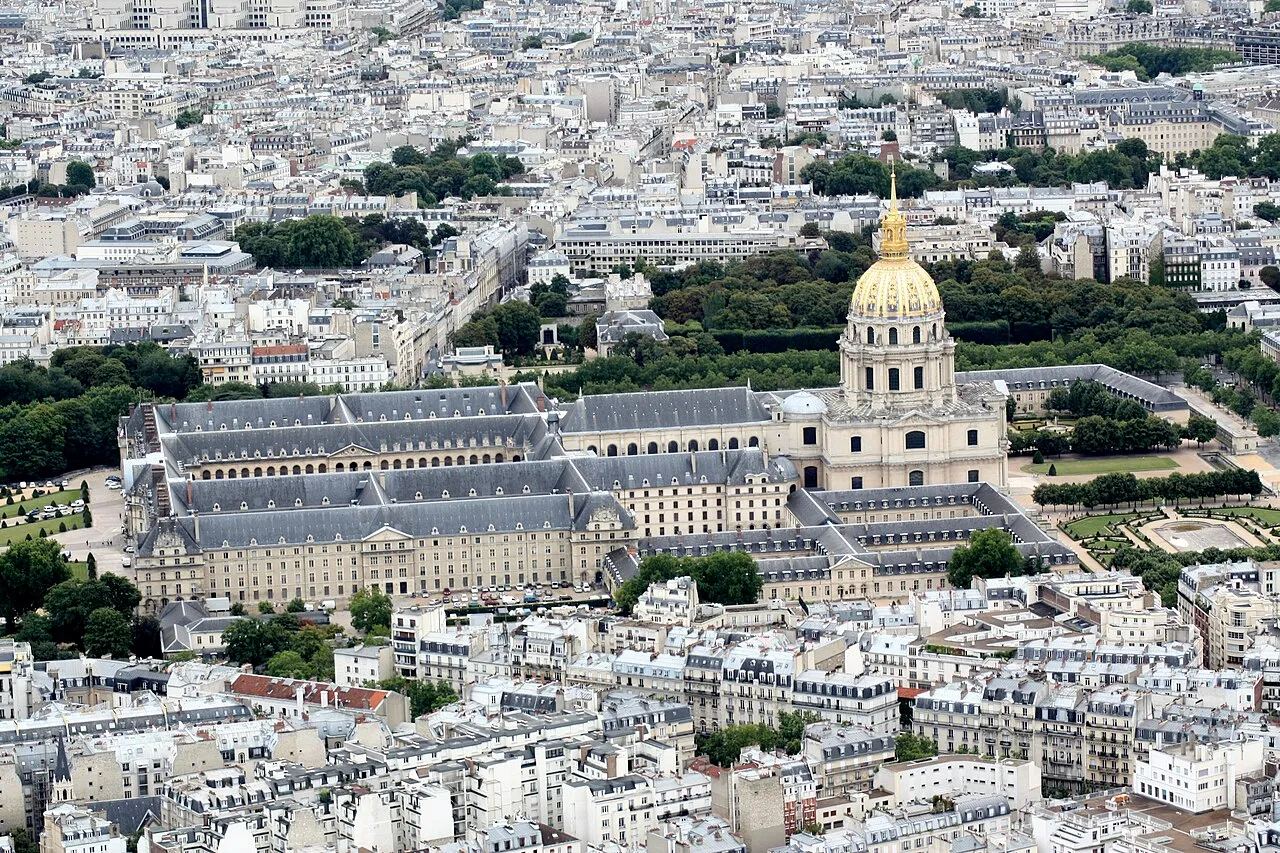
Maintaining a structure as massive and old as Les Invalides is a constant battle against time and pollution. The Dome requires re-gilding every few decades, a process that consumes kilograms of glorious gold leaf applied by expert craftsmen. The most recent restoration campaigns have also focused on cleaning the facades and modernizing the museum spaces.
These efforts ensure that the monument retains the brilliance Louis XIV intended. The gold of the Dome is not just decoration; historically, it was a display of national wealth and resilience. Seeing it shine against a grey Paris sky is one of the city's most enduring images.
The Invalides in Paris Culture
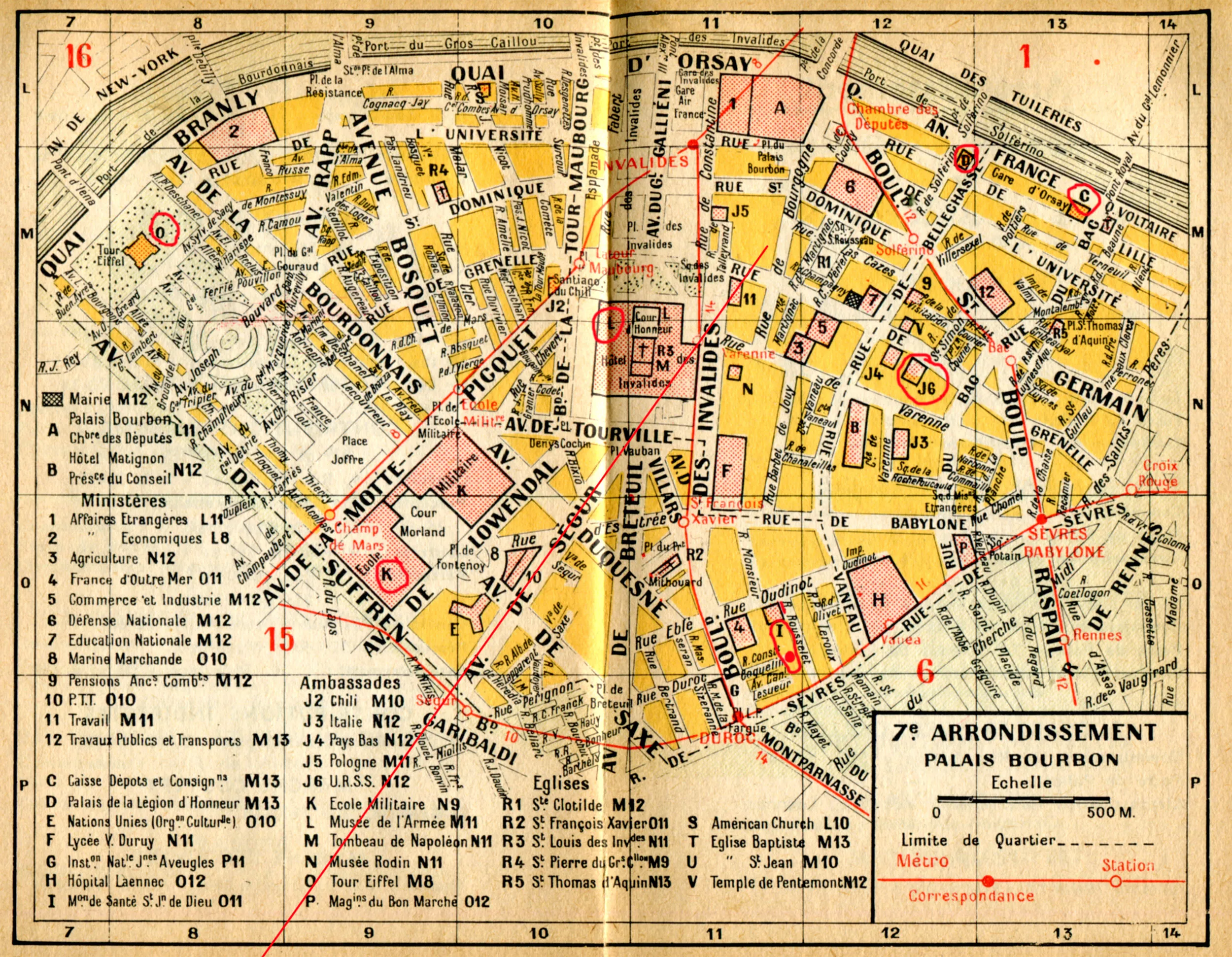
Beyond its walls, the Invalides anchors a whole district of Paris. The vast grassy Esplanade stretching down to the Seine is a favorite spot for Parisians to play football, have picnics, or simply sunbathe with the Dome as a backdrop. It serves as a 'green lung' in a dense stone city.
The site connects the sophisticated Left Bank with the river and the Right Bank via the Pont Alexandre III. It is a pivot point for any walking tour of Paris. Whether you are deeply interested in military strategy or simply appreciate baroque grandeur, the Invalides commands attention and respect, standing as a stony guardian of French memory.
Table of Contents
Louis XIV's Grand Vision
In 1670, King Louis XIV, known as the Sun King, made a decision that would alter the Parisian landscape forever. Moved by the plight of his soldiers who returned from wars injured, aged, or destitute, he ordered the construction of a royal institution to house and care for them. Before this, veterans were often forced to beg on the streets or rely on the charity of monasteries.
The project was entrusted to the architect Libéral Bruant. He designed a functional yet majestic complex organized around a rigorous grid of courtyards, capable of housing up to 4,000 veterans. It was a model of care for its time, providing food, shelter, and a dignified life for those who had bled for France. The inscription on the façade still reads clearly essentially stating that the sheer grandeur of the building is a payment of the debt the monarch owes to his troops.
Architecture of the Dome & Church
While the soldiers' quarters were stark and disciplined, the religious aspect of the site was given lavish attention. Jules Hardouin-Mansart took over the project to complete the chapel. The result was a dual structure: the Soldier's Church (Saint-Louis des Invalides) for the veterans, and the magnificent Royal Chapel (The Dome) for the King and royal family.
The Dome is a masterpiece of French Baroque architecture. Its exterior, covered in gold leaf (re-gilded roughly every 40 years), acts as a beacon across Paris. Inside, the soaring verticality and the intricate frescoes drawing the eye upward were designed to glorify the monarchy and the divine right of kings. It remains one of the tallest religious monuments in Paris, rivaling the Pantheon and Notre-Dame in visual impact.
The Revolution & The People
When the French Revolution erupted in 1789, the Invalides played a crucial, kinetic role. Before storming the Bastille on July 14th, the revolutionary mob first marched on the Invalides. They weren't looking for prisoners; they were looking for weapons. They looted thousands of muskets and cannons from the Invalides' cellars—arms that would be used hours later to siege the Bastille.
During the revolutionary years, the institution survived, though its royal symbols were defaced. The Dome, initially dedicated to Saint Louis and the monarchy, was repurposed as a Temple of Mars. The veterans remained, but the site began its slow transition from a purely functional hospital to a symbolic repository of national military glory.
The Return of Napoleon's Ashes
The defining moment for the modern identity of Les Invalides occurred in 1840. King Louis-Philippe, seeking to reconcile with the memory of the Empire, organized the 'Retour des Cendres' (Return of the Ashes). Napoleon's body was repatriated from Saint Helena to Paris amidst immense fanfare and crowds.
It took twenty years to complete the tomb we see today. Excavated into the floor of the Dome, the open circular crypt allows visitors to look down at the sarcophagus from the ground floor or look up at the dome from the crypt level. The massive bowing figures of the 'Victories' surrounding the tomb stand guard over the Emperor, ensuring his memory is enshrined in the very heart of French military tradition. It is not just a grave; it is a statement of power.
Creating the Army Museum
The Musée de l'Armée as we know it was formed in 1905 by merging two existing collections: the Artillery Museum (which had been moving its collection of cannons and mechanical models to the Invalides since the Revolution) and the Historical Army Museum. This merger created one of the most comprehensive military history institutions in the world.
By bringing together technical artifacts—like experimental rifles and engineering models—with the emotional artifacts of uniforms, flags, and personal commendations, the museum bridges the gap between the machinery of war and the human experience of the soldier. It serves as a guardian of heritage, ensuring that the evolution of combat is documented and understood.
Treasures of the Arsenal
The Department of Ancient Arms and Armor is often the favorite of visitors. It houses the 3rd largest collection of its kind globally. Here, you step back into a world of chivalry and tournament lists. The sheer variety is staggering: from the heavy, practical plate armor of foot soldiers to the gilded, etched ceremonial suits worn by kings like Francis I.
This section also highlights the curiosity of the French court for foreign ways of war. You will find exquisite Ottoman helmets, Persian shields, and Japanese samurai armors gifted to French kings. These objects were not just tools of defense; they were diplomatic gifts and symbols of status, showcasing the finest metalworking craftsmanship of their eras.
The World Wars & Modern History
The two World Wars defined the 20th century, and the museum devotes extensive wings to these conflicts. The narrative moves away from the glory of armor to the industrial slaughter of the trenches and the ideological battles of WWII. Visitors walk through the evolution of the French uniform, from the bright red trousers of 1914 that proved fatal, to the 'Horizon Blue' meant to blend with the sky.
The exhibits are deeply poignant. You see the taxis of the Marne that ferried troops to the front, the equipment of the Resistance fighters, and evidence of the Holocaust and deportation. It is a sombre educational journey that explains how modern France was forged in the fires of these global catastrophes.
The Court of Honor & Artillery
The Cour d'Honneur is the architectural heart of the Invalides. Restored to its 17th-century perfection, it is lined with a classic collection of bronze cannons. These are not mere replicas; they are the 'classic battery,' featuring cannons with names and personalities, adorned with ornate handles and the crests of the kings who commissioned them.
Pay attention to the little details on the barrels—some carry the motto 'Ultima Ratio Regum' (The Last Argument of Kings). This courtyard is still used for supreme state occasions, such as honoring fallen soldiers or welcoming foreign heads of state, linking the museum visitors of today with the living protocol of the French Republic.
The Charles de Gaulle Historial
A newer addition to the complex is the Historial Charles de Gaulle. Unlike the object-heavy traditional galleries, this is an audiovisual space dedicated to the life and impact of the leader of Free France. It uses multimedia installations to trace his career from a rebel general in London to the President of the Fifth Republic.
The Historial provides necessary political context to the military history seen elsewhere. It explains the fracture of France during the Occupation, the delicate politics of the Resistance, and the reconstruction of national identity post-war. It is a cerebral, immersive experience that requires listening and watching rather than just viewing glass cases.
A Living Military Site
It is easy to forget that Les Invalides is not a fossil. It remains under the administration of the Ministry of Armed Forces. The Military Governor of Paris has his offices here. More importantly, the original mission of Louis XIV continues: the Institution Nationale des Invalides still operates a hospital and retirement home for wounded veterans on the site.
This cohabitation between a bustling tourist site and a place of healing and administration gives the Invalides a unique gravity. When you see uniformed personnel walking the corridors, you are reminded that the story of the French army is ongoing. The museum is the public face of a living institution dedicated to service.
The Order of the Liberation
Tucked within the complex is a separate, often overlooked gem: the Museum of the Order of the Liberation. This order was created by De Gaulle to honor those who did the most to liberate France from Nazi tyranny. The 'Companions of the Liberation' were a diverse group: soldiers, spies, African colonial troops, and even cities.
The collection here is intensely personal. It focuses on the individuals who took extraordinary risks. You see clandestine radio sets, forged documents used by spies, and the simple personal effects of heroes who often did not survive the war. It is a moving tribute to individual courage amidst collective despair.
Restoration & Golden Dome
Maintaining a structure as massive and old as Les Invalides is a constant battle against time and pollution. The Dome requires re-gilding every few decades, a process that consumes kilograms of glorious gold leaf applied by expert craftsmen. The most recent restoration campaigns have also focused on cleaning the facades and modernizing the museum spaces.
These efforts ensure that the monument retains the brilliance Louis XIV intended. The gold of the Dome is not just decoration; historically, it was a display of national wealth and resilience. Seeing it shine against a grey Paris sky is one of the city's most enduring images.
The Invalides in Paris Culture
Beyond its walls, the Invalides anchors a whole district of Paris. The vast grassy Esplanade stretching down to the Seine is a favorite spot for Parisians to play football, have picnics, or simply sunbathe with the Dome as a backdrop. It serves as a 'green lung' in a dense stone city.
The site connects the sophisticated Left Bank with the river and the Right Bank via the Pont Alexandre III. It is a pivot point for any walking tour of Paris. Whether you are deeply interested in military strategy or simply appreciate baroque grandeur, the Invalides commands attention and respect, standing as a stony guardian of French memory.